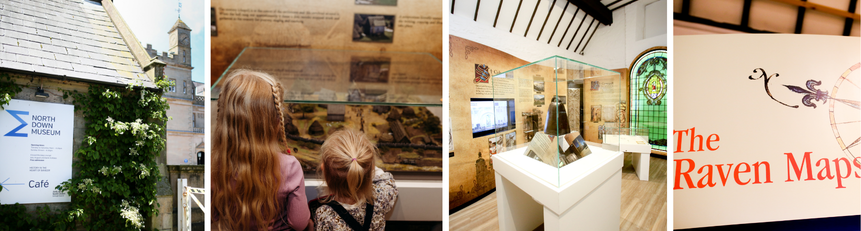




Discover the U.S. Connections in Ards and North Down
In 2026, the United States will celebrate the 250th anniversary of the signing of the Declaration of Independence—a milestone that offers the perfect moment to shine a light on the ties between America and Northern Ireland. Here in Ards and North Down, those connections run centuries deep, shaping stories of migration, faith, conflict, and friendship.
As America prepares for its 250-year milestone, join us in exploring some of the remarkable local links that helped shape the nation’s earliest chapters.

The Eagle Wing: A Journey of Faith and Freedom
Long before the first settlers set foot in the New World, two ambitious Scots—Sir Hugh Montgomery and Sir James Hamilton—transformed Ards and North Down through the early 1600s Plantation. Their efforts brought lowland Scots to towns like Bangor and Newtownards, forming strong Presbyterian communities.
By the 1630s, increasing religious pressure pushed many to seek a new life overseas. In 1636, the Eagle Wing, built at Groomsport, set sail with 140 hopeful passengers in search of religious freedom. Battling violent storms and a broken rudder, the ship was forced back, returning to Groomsport that November.
Though the voyage never reached America, its story remains a powerful symbol of early transatlantic ambition and the shared heritage between our shores.
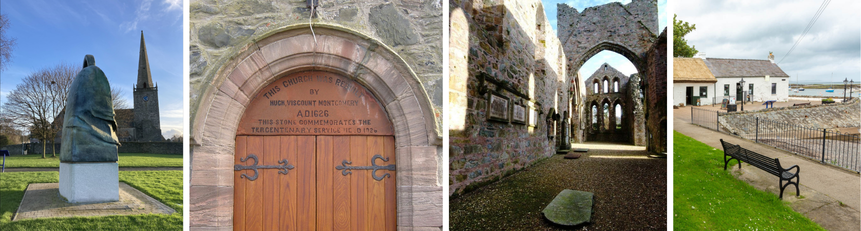
The Battle of the Copelands: America’s First Naval Victory
On 24 April 1778, the waters off Donaghadee witnessed a pivotal moment in U.S. history. The American warship Ranger, led by Captain John Paul Jones, engaged the British sloop Drake at the mouth of Belfast Lough. The battle—watched from Donaghadee Quay—resulted in the first-ever naval victory for the newly formed American Continental Navy.
A small but significant encounter, this clash helped cement America’s fight for independence and connected our coastline to the early story of the U.S. Navy.
World War II: When Bangor Became a “Home Away from Home”
During the Second World War, Bangor played a heartfelt role in supporting U.S. forces. In the lead-up to the D-Day landings, American battleships Nevada, Texas, and Arkansas anchored off the coast. Local families warmly welcomed the crews—inviting soldiers into their homes, sharing meals, and exchanging culture, music, and friendship.
From sweets and bubble gum to lively dances in Caproni’s, the Americans forged memories that lasted lifetimes. Many sought out their Irish roots, while African American troops remarked on the warm, integrated welcome they experienced—so different from the segregation back home.
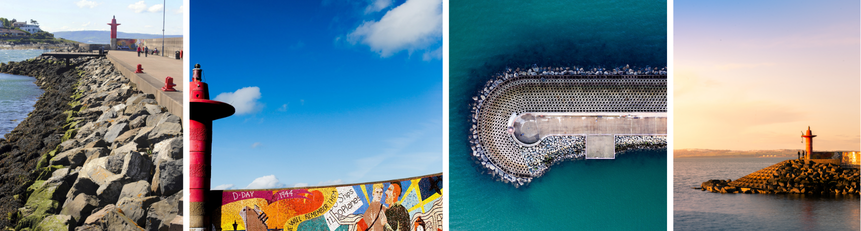
These bonds of gratitude and camaraderie are honoured today at the Eisenhower Pier and through the Lone Sailor sculpture displayed in North Down Museum.
Explore the Story for Yourself
Ards and North Down is rich with places where history shaped the wider world. From Groomsport’s Eagle Wing heritage to the mosaics along Eisenhower Pier, reminders of these U.S.–Northern Ireland connections are woven throughout our landscape.
Discover more through our Ulster-Scots and War Memorial Trail resources—and experience how our region’s stories continue to resonate 250 years on.